Do you have a friend like this?
At one or two in the morning he messages: “Do you have NT$500 in cash on you?” A few days later he asks if you can transfer NT$1,000, because “my credit card got blocked” or “something’s wrong with my account”. When you see him, he hasn’t slept for days, talks fast, and keeps saying someone is following him, someone wants to hurt him, and every week it’s a different person.
This happened in our own editor’s circle of friends. At the time it just looked like a friend short of money and under stress. Only later did it become clear that all of this was probably linked to methamphetamine.
Drawing on Taiwan’s Ministry of Health and Welfare, the US National Institute on Drug Abuse (NIDA) and Queensland Health’s drug support service in Australia, here’s what these warning signs can mean and how you can help.
Who is the “little nurse”?
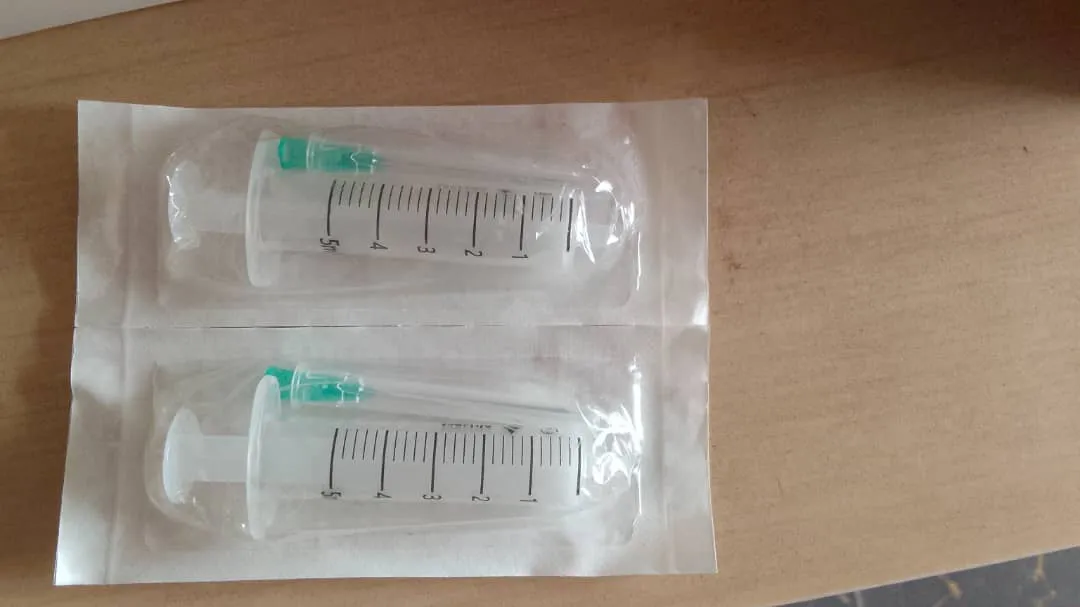
In what our editor has heard in the community, some people are called “little nurses” (小護士): they come to your home to give you “a shot”, charge NT$500 in cash, and say “I’m licensed, so it’s safer”.
That midnight message asking for NT$500 may well be someone waiting for the “little nurse” to arrive.
We can’t check whether these people really hold nursing licences. But even if they do, three things don’t change:
- The drug itself does the damage. However “professionally” it’s injected, it’s still meth going into the body.
- Injecting is one of the riskiest ways to catch infections. Share a needle or the water used to mix the drug even once, and the risk is there.
- It’s illegal in Taiwan. A licence protects no one.
Why is injecting so dangerous?
According to NIDA:
- When meth is smoked or injected, it reaches the bloodstream and brain very quickly, producing an intense but short “rush”. Because it comes and goes so fast, people tend to use again and again.
- Even a single use can cause paranoia, anxiety, a racing or irregular heartbeat, stroke, high blood pressure and kidney damage, or a fatal overdose.
- Shared injection equipment spreads HIV and hepatitis B and C, and can cause a heart infection (infective endocarditis).
- NIDA says persistent meth use is the single largest risk factor for HIV among men who have sex with men. It also makes HIV treatment less effective.
Taiwan has learned this the hard way. The Ministry of Health and Welfare says HIV rose rapidly from 2004 because people who inject drugs were sharing injection equipment. Of the 3,376 new HIV infections in 2005, 2,431 were people who inject drugs, about 72%. After harm-reduction programmes began, that share fell to 1.7% in 2025.
Why does he keep thinking someone is out to get him?
This is the part many people find hardest to understand.
NIDA says long-term meth use can cause symptoms of psychosis:
- Hallucinations: seeing or hearing things that aren’t there
- Delusions: deeply believing things that aren’t true, such as being watched or targeted
These symptoms can appear even when the person isn’t high. Heavy drinking and stress make it more likely that someone who has had them before will have them again.
So the friend who has “a new person out to get him every week” isn’t putting on a show, and his personality hasn’t simply soured. His brain may really be getting hurt. We’ve previously reported on a Taichung factory worker whose meth-induced paranoia ended in tragedy.
Warning signs to watch for together
Any one of these on its own means little; anyone can be short of money, sleep badly or feel low. But when several show up at once, it’s worth checking in:
Money (our editor’s own experience)
- Asking for cash late at night, often the same amount each time (say, NT$500)
- Repeatedly borrowing or asking for transfers, often because “my card is blocked” or “my account has a problem”
- Rarely paying back, but asking again next time
Body and sleep (from Queensland Health’s drug support service)
- Not sleeping for days, no appetite, noticeable weight loss
- Teeth grinding or dental problems
- Enlarged pupils, high body temperature, fast heartbeat
Mood and thinking
- Agitated, restless, easily provoked
- Feeling followed, watched or targeted
- Work, study or plans keep falling apart
NIDA’s criteria for addiction include spending a lot of time getting the drug, failing to meet responsibilities at work or home because of it, and continuing to use despite knowing it causes physical or mental harm.
I’ve noticed. How do I bring it up?
Queensland Health’s drug support service offers these tips for family and friends:
- Pick the right time. Somewhere quiet where you won’t be interrupted. Don’t talk while he’s high; it won’t help and may lead to conflict.
- Listen first. Try to understand why he’s using. Avoid lecturing, and don’t use labels like “junkie”.
- Start with “I”. Say “I’ve been worried about you lately”, not “Are you on drugs?”
- Ask if he wants support. Let him know professional help is available.
- Set boundaries. You can care about him without lending him money. Saying no to cash isn’t abandoning him. Try: “I won’t lend you money, but I’ll sit with you while you call for advice.”
- Look after yourself. You can encourage change, but you can’t make the decision for him. Talking to a professional can help you too.
If he isn’t ready to stop, you don’t have to cut him off. The Queensland service notes that using less, using more safely and looking after his health all count as positive changes. Taiwan’s Ministry of Health and Welfare also offers clean needle services through local health centres and community outlets, along with referrals for HIV and hepatitis testing, so at least he isn’t adding another infection risk.
In an emergency, call 119
These can be signs of a meth overdose:
- Severe headache, chest pain, vomiting
- A very fast heartbeat or a rapid rise in body temperature
- Irregular breathing
- Extreme anxiety, panic or aggression
- Seizures or loss of consciousness
Call 119 straight away. If he isn’t breathing, start CPR. If he is breathing normally, put him on his side in the recovery position and stay with him.
What the law says
In Taiwan, meth is a Category 2 drug. Under the Narcotics Hazard Prevention Act:
- Using a Category 2 drug carries up to three years in prison.
- Giving a Category 2 drug to someone else carries six months to five years in prison, plus a possible fine.
Whether you use it, inject someone else, or are the one being given “a shot”, “I’m licensed, it’s safer” doesn’t make any of it okay.
Help is out there
NIDA says there is no US FDA-approved medication for meth addiction, but behavioural treatments work, including cognitive behavioural therapy, group support and motivational interviewing.
In Taiwan:
- Ministry of Health and Welfare free 24-hour drug help line: 0800-770-885
- The ministry subsidises addiction treatment costs, up to about NT$35,000 to NT$40,000 per person per year. From January to September 2026 alone, 15,512 people received the subsidy.
- If you’re worried about shared needles or unsafe sex, get tested for HIV and hepatitis C, and read how to get PrEP for free.
To understand how people get pulled into meth in the first place, see our earlier explainer: “Methamphetamine is truly frightening, and many people stumble into it by accident”.
Finally
Our editor didn’t notice at the time, and looking back, that still hurts.
If you have a friend who keeps borrowing money late at night and is sure someone is out to get him, what he needs may not be that NT$500, but someone willing to ask: “Are you doing okay?”


💬 Comments