Many people assume anyone who uses drugs “wanted to”. The reality is often different.
Many people first encounter methamphetamine through a drink someone hands them, a line like “it just keeps you awake”, a party, or a date who says “it makes sex better”. By the time they realise something is wrong, it’s hard to turn back.
Drawing on the US National Institute on Drug Abuse (NIDA) and Taiwan’s Ministry of Health and Welfare, here’s how dangerous meth really is, and how people most often stumble into it.
What is meth?
Methamphetamine is a lab-made stimulant that affects the central nervous system and is highly addictive.
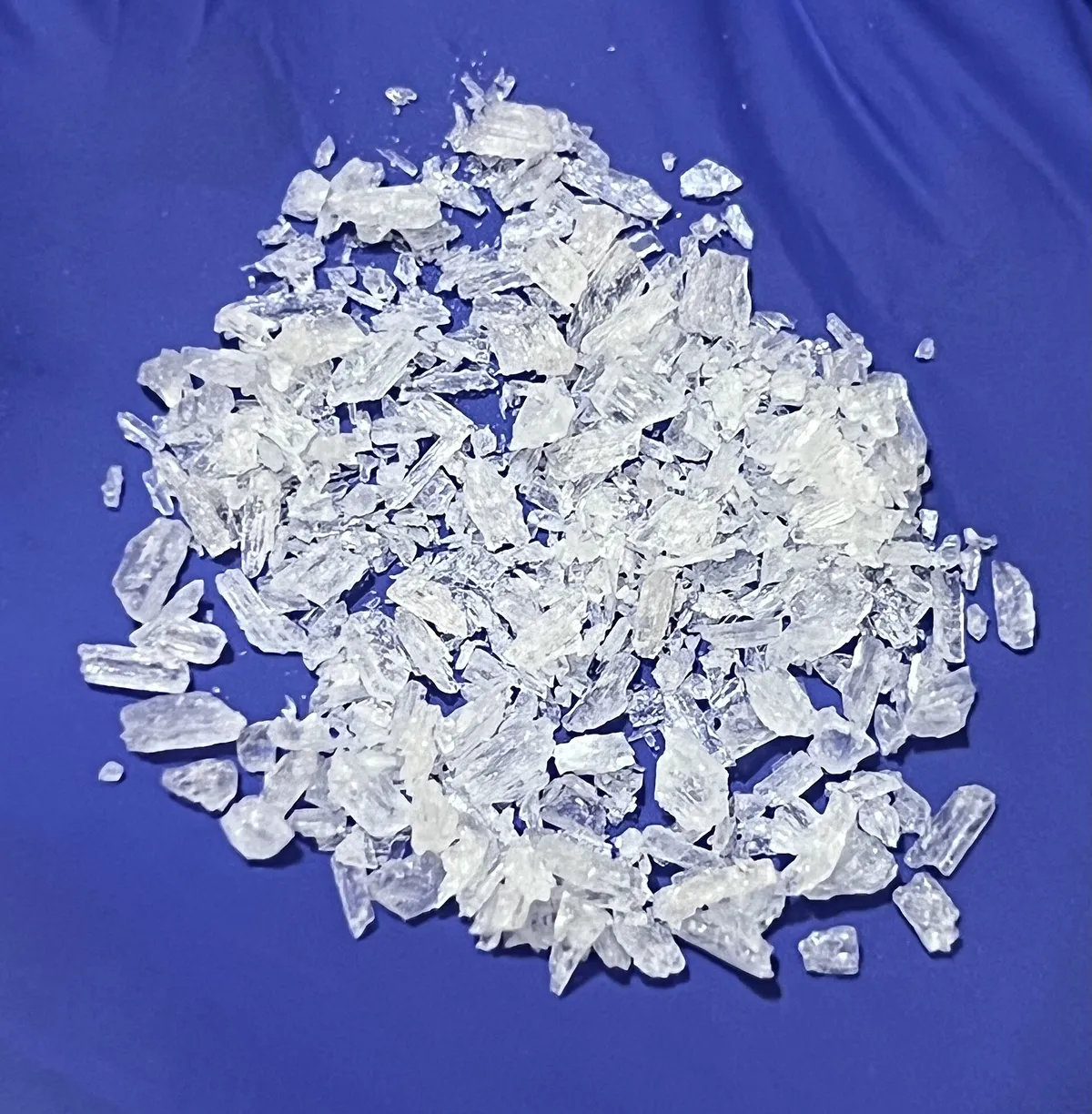
- Its crystal form is known as crystal meth, “ice” or “Tina”
- In Taiwan, meth is a Category 2 drug
- It can be smoked, snorted, injected or swallowed
In the US it has a very limited medical use (for example, for ADHD) and requires a prescription. Most meth in circulation is illegally made.
Why is it so addictive?
According to NIDA, meth quickly produces:
- An intense rush of euphoria, energy, confidence and talkativeness
- Higher sex drive, lower appetite and no need for sleep
But the high fades fast, followed by a crash.
To avoid the crash, many people keep taking more in binges. NIDA says this pattern greatly raises the risk of addiction.
NIDA also reports that among people aged 26 and over who used meth in the past year, nearly two in three met the criteria for a substance use disorder.
What does it do to the body?
Short-term dangers
- Paranoia and anxiety
- Rapid or irregular heartbeat
- High blood pressure and stroke
- Kidney damage
- Overdose, which can be fatal
Long-term harm
- Addiction: using more and more, unable to stop
- Mental health problems: anxiety, confusion, insomnia and mood swings
- Psychosis: hallucinations and delusions, even when not using
- Slower thinking: some studies find poorer learning and slower reactions
- Heart disease and stroke
- Tooth decay and loss, known as “meth mouth”
- Reduced sexual function in men, ironic for something many take to boost sex
Withdrawal
After stopping, withdrawal peaks after 2 to 3 days, with depression, anxiety, irritability, poor sleep, trouble concentrating and strong cravings. Even after the first week, low mood, anxiety and cravings can last months.
That’s why so many people quit and relapse, again and again.
The five most common ways people stumble in
1. Drinks, coffee sachets or sweets from someone else
This is the most common trap. Dealers often disguise drugs as coffee or milk-tea sachets, sweets or plum powder to lower people’s guard.
Taiwan’s Food and Drug Administration once tested 45 drink sachets seized by police (coffee, milk tea, cereal and so on): 39 (86.7%) contained drugs or new psychoactive substances, some with six in a single packet. The most common were stimulants with effects similar to meth.
You think you’re having a coffee; you’ve actually taken drugs.
2. “It just keeps you awake”
Pulling an all-nighter, cramming for exams or driving long distances, someone says: “Try this, you won’t feel sleepy.”
Meth really does stop people sleeping and eating, so it’s often sold as a pick-me-up or diet pill. But it’s no vitamin: one use can start the road to addiction.
3. Parties and clubs
At a party everyone’s having fun, and someone offers you a cigarette, a drink or a vape pod: “Come on, join in.”
In that moment it’s hard to say no, and that’s often the first time.
4. Dates and chemsex
In the gay community, meth is often linked to sex, known as chemsex, or “party and play”.
Because it boosts sex drive and confidence, people on dating apps get asked: “Do you party?” or “Want to get high together?”
NIDA specifically notes:
- Meth use can lead to more sexual partners and less use of protection, raising the risk of HIV and viral hepatitis
- Persistent meth use is the single largest risk factor for acquiring HIV among men who have sex with men
- Meth also makes HIV treatment less effective
Many people only wanted one night to be more exciting, and ended up losing their health, jobs and lives.
5. Feeling low and wanting to escape
A breakup, work stress, family problems, loneliness: some people hear “this will make you feel better” at their most vulnerable moment.
But the happiness is borrowed. When it wears off, they feel even lower and more anxious, and the cycle of “use, crash, use again” begins.
What happens in Taiwan?
Meth is a Category 2 drug in Taiwan. Using it carries criminal penalties under the Narcotics Hazard Prevention Act, and driving after using it is drugged driving, whose penalties were raised this October.
But the law also offers a way back: the Food and Drug Administration notes that if you used drugs by mistake, you can voluntarily seek treatment at a hospital designated by the Ministry of Health and Welfare under Article 21 of the Act.
How to protect yourself
- Don’t accept drinks, coffee sachets, sweets or vape pods from unknown sources, and don’t drink anything that has left your sight
- If you hear “it’s just to keep you awake”, “it’s just for fun” or “just once”, say no
- If a date asks “do you party?”, you can say no, or simply leave
- If after drinking something you feel a racing heart, anxiety, dizziness, hallucinations or weakness, leave immediately, get help from someone you trust, and call 119 or 110 if needed
- When you feel terrible, talk to someone, not to a drug
If you’re already using
You are not a bad person, and addiction is treatable.
NIDA says there’s no approved medication for meth addiction yet, but behavioural treatments work, such as contingency management (small rewards for staying off drugs), cognitive behavioural therapy and group support.
Help in Taiwan:
- Ministry of Health and Welfare 24-hour free drug addiction helpline: 0800-770-885
- Mental health support line: 1925 (24 hours)
- Emergencies: 119
The scariest thing about meth isn’t how hard it is to quit. It’s that many people don’t even know they’re taking it the first time. Protect yourself, and look out for the people you care about.


💬 Comments