
A study from Taiwan suggests that living alone affects men and women differently. According to a United Daily News report from 19 November, a team led by Professor Lin Wan-yu of the College of Public Health at National Taiwan University used data from the Taiwan Biobank.
The analysis covered 69,462 records over about 4.9 years of follow-up. It looked at 43 related factors and used accelerated biological aging as its measure. The report says that men who live alone had 17% higher odds of accelerated biological aging. For women, the effect was not statistically significant.
Other findings
The report also links some lifestyle factors to biological aging. A one-unit rise in BMI raised the odds by 13% to 14% for both sexes. Eating at least two kinds of vegetables a day lowered the odds by 32% for men and 20% for women. Cooking meat or fish without oil lowered them by 29% for men and 23% for women. About 7% of participants had a biological age that went down over follow-up.
What the researchers suggest
According to the report, Professor Lin argues that men’s emotional support tends to centre on their spouse and that they seek support outside the marriage less often. Women usually have a wider network that includes children, sisters, friends and neighbours. In traditional household arrangements, middle-aged and older men often depend on their spouse for meals and daily care, so living alone can affect their diet and routines more.
The report also quotes the dean of the college, Tu Yu-kang, but these comments are paraphrased rather than direct quotes.
What to keep in mind
The report does not name the original paper, the journal or a DOI, and it does not explain which measure of biological aging was used. Treat these figures as media coverage, not medical advice. The full methods will be clearer once the team publishes its paper.
Whether you live alone or not, regular meals, daily activity and social contact are worth paying attention to, and a doctor can help if your health changes.
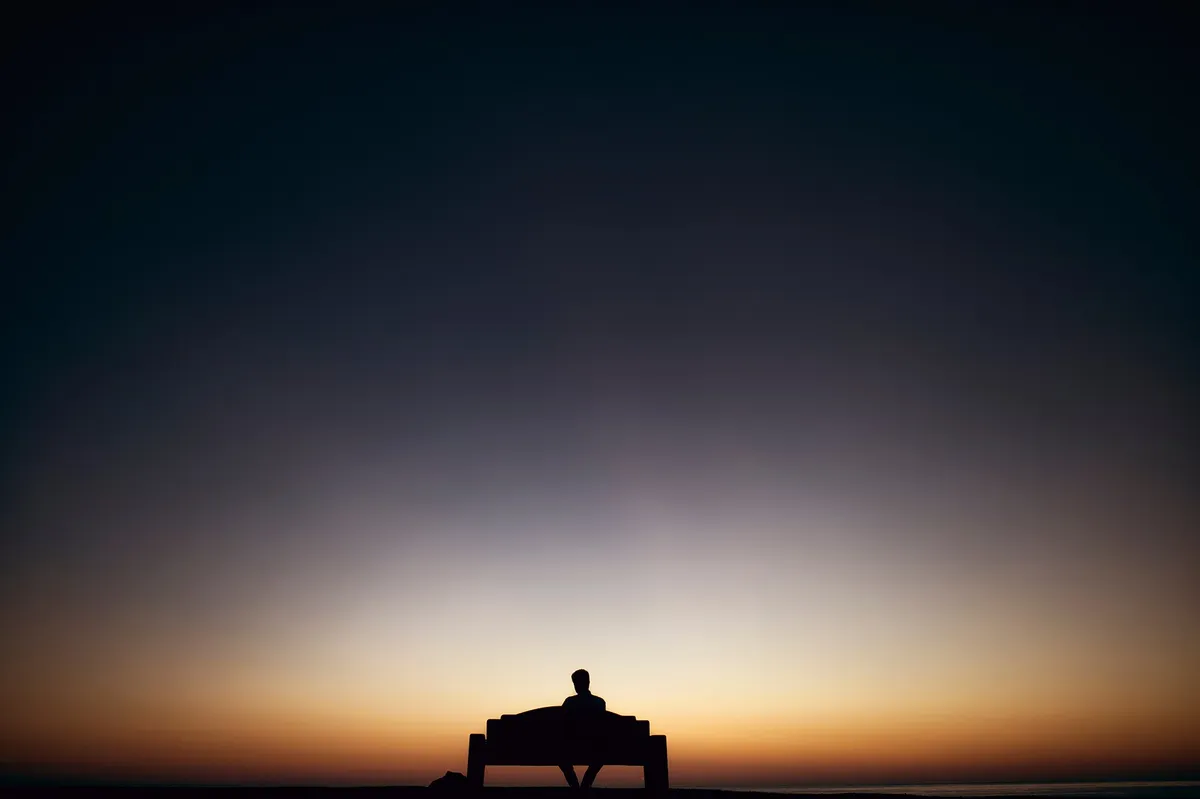 A man sits alone on a bench at sunset (illustrative photo, CC0, Unsplash via Wikimedia Commons)






💬 Comments