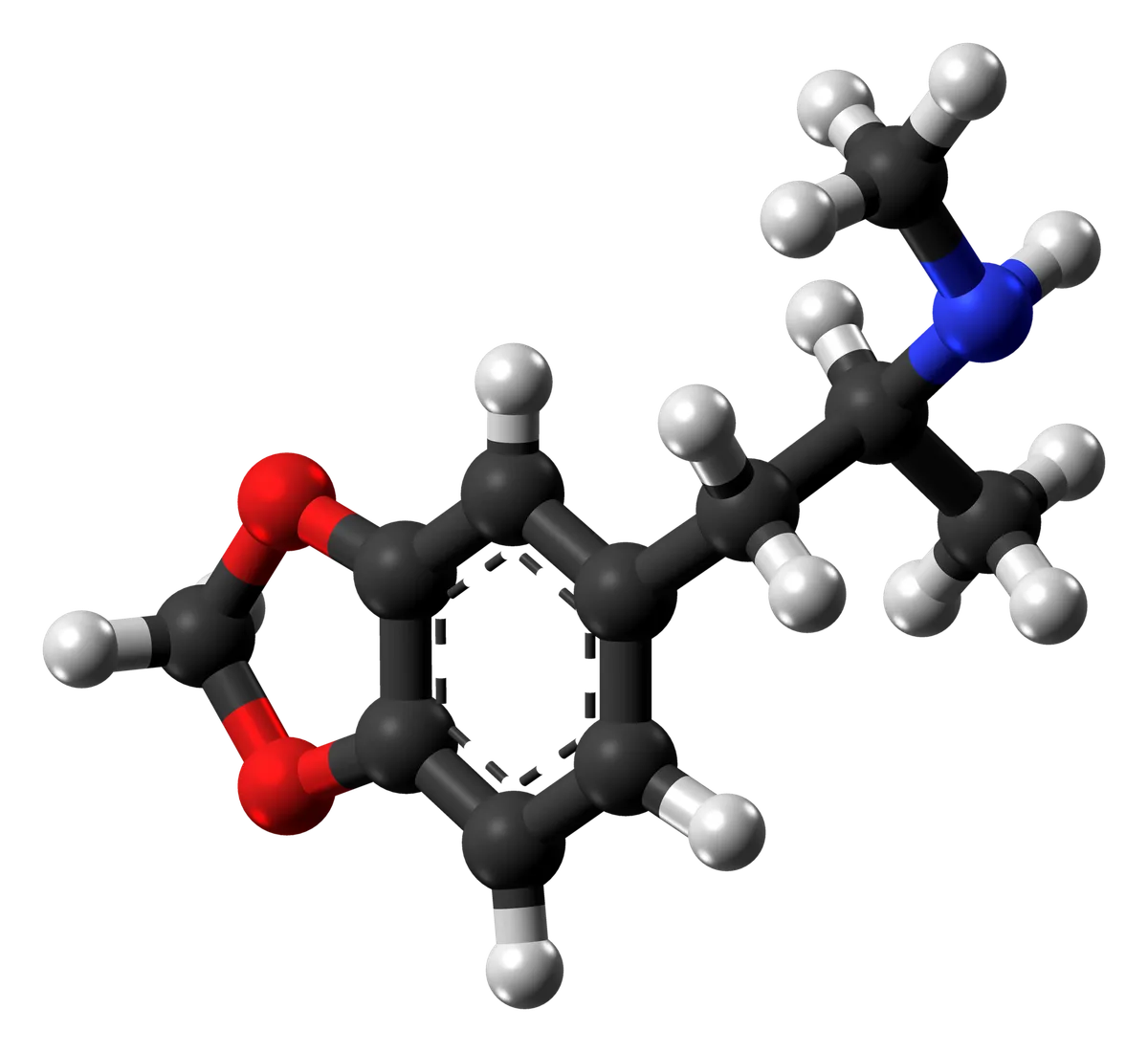
At clubs, parties and hookups you may hear the names “ecstasy”, “E” or “Molly”. The main ingredient is MDMA. Many people think of it as something that just makes you feel high and close to others, but research summarised by the US National Institute on Drug Abuse (NIDA) shows the risks are bigger than many expect.
To be clear: MDMA is a Schedule 2 drug under Taiwan’s Narcotics Hazard Prevention Act. Possessing, using or selling it is illegal. This article is health information to help people understand the risks.
What is MDMA?
NIDA says MDMA is a synthetic drug with effects similar to stimulants such as methamphetamine. It is usually sold as colourful pills with printed logos, and also as capsules, powder or liquid. Some researchers also class it as a psychedelic, because it can mildly change how people perceive sight and time.
What does it do to the brain?
MDMA affects at least three brain chemicals: serotonin, dopamine and norepinephrine. Serotonin helps regulate mood, sleep, pain and appetite.
MDMA makes the brain release large amounts of these chemicals, or stops them being taken back up, so their levels rise sharply. That is why people feel happy, energetic and close to others, and more sensitive to sound, light and touch. NIDA says effects begin about 45 minutes after a dose and last about three hours on average.
The biggest danger: overheating
NIDA highlights one serious risk: a steep, dangerous rise in body temperature. It is more likely when people dance for a long time or are somewhere hot, such as a club.
Other common problems include:
- Higher blood pressure
- Involuntary jaw clenching
- Nausea and vomiting
- Restless legs
NIDA also warns that mixing MDMA with alcohol or some prescription drugs, including SSRI antidepressants, may raise the health risks. Long-term use can lead to heart problems or liver damage.
You may not be taking MDMA at all
This is a risk many people never think about. NIDA says lab tests on drugs sold as MDMA often find other substances inside, possibly without the buyer knowing. They have included:
- Ketamine
- Amphetamine and methamphetamine
- Synthetic cathinones (“bath salts”)
- MDA
NIDA adds that illegally made opioids such as fentanyl are increasingly found in the US drug supply and have contributed to a rise in overdose deaths. In other words, nobody can be sure what is really in a pill.
Mood and memory can suffer too
Research links MDMA use to anxiety and panic attacks. NIDA lists problems that people who use it regularly may have:
- Poor sleep and loss of appetite
- Confusion, depression and anxiety
- Paranoia
- Problems with memory and attention
Is it addictive?
NIDA says research suggests MDMA is potentially addictive, though more research is needed. Some people keep using it despite harm, need more to get the same effect, feel unwell when they stop, or have cravings.
What about “MDMA for PTSD”?
You may have read that MDMA is being studied as a treatment for post-traumatic stress disorder. NIDA explains that the US FDA has named it a “breakthrough therapy” to speed up research, but these trials give MDMA under medical supervision, alongside talk therapy. The FDA has not approved MDMA to treat any condition. That is completely different from taking an unknown pill at a party.
If someone near you feels unwell
If someone who has taken drugs has a very high temperature, is confused, has a seizure, chest pain or trouble breathing, call 119 in Taiwan right away. Tell the medics honestly what they may have taken; it helps them act faster.
If you want to quit, or want help for a friend, Taiwan’s drug-prevention line 0800-770-885 offers free advice.


💬 Comments