
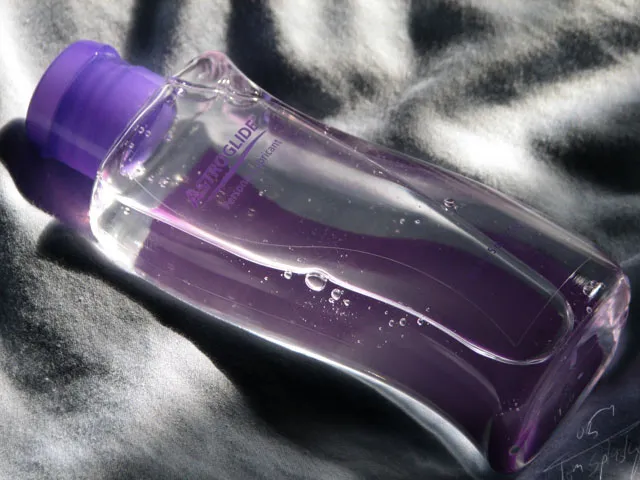
Unlike some other parts of the body, the anus does not make its own lubrication, so for gay men lube is close to essential. It reduces friction, lowers the chance of injury and helps stop condoms from breaking. But there are many kinds of lube, and picking the wrong one can cause problems.
This guide is based on advice from Public Health – Seattle & King County in the United States, along with lubricant guidance published by the World Health Organization (WHO) and partners.
The three types of lube
1. Water-based
The most common type. It is easy to wash off, not sticky, and safe with latex condoms. The downside is that it dries out faster, so you may need to add more.
2. Silicone-based
Longer-lasting and slicker than water-based, and also safe with latex condoms. Guidance from the WHO and partners says silicone lube is compatible with latex, though it usually costs more. You need soap and water to wash it off.
3. Oil-based
This is the one to be careful with. King County’s health department says plainly: do not use oil-based lube with condoms. Oil can weaken or even dissolve latex, which makes condoms more likely to break.
Household products you should not use
The health department names these as oil-based products that are unsafe with latex condoms:
- Petroleum jelly (Vaseline)
- Some hand creams and lotions
- Vegetable shortening and butter
- Mineral oil, baby oil and other oils
Many people grab lotion or baby oil when they have nothing else to hand. It is one of the common ways condoms end up breaking.
What to look for
- Use plenty. King County says friction is one cause of condom breakage, so use enough lube. Even pre-lubricated condoms may need extra.
- Check the ingredients. The department suggests choosing lubes without polyquaternium, glycols, parabens or glycerin.
- Check pH for water-based lube. It recommends a pH of 4.5 to 7 and an osmolality of 200 to 380 mOsm/kg. These numbers do not apply to silicone lube.
- Check the condom material. Latex condoms are best. People allergic to latex can use polyurethane or polyisoprene condoms.
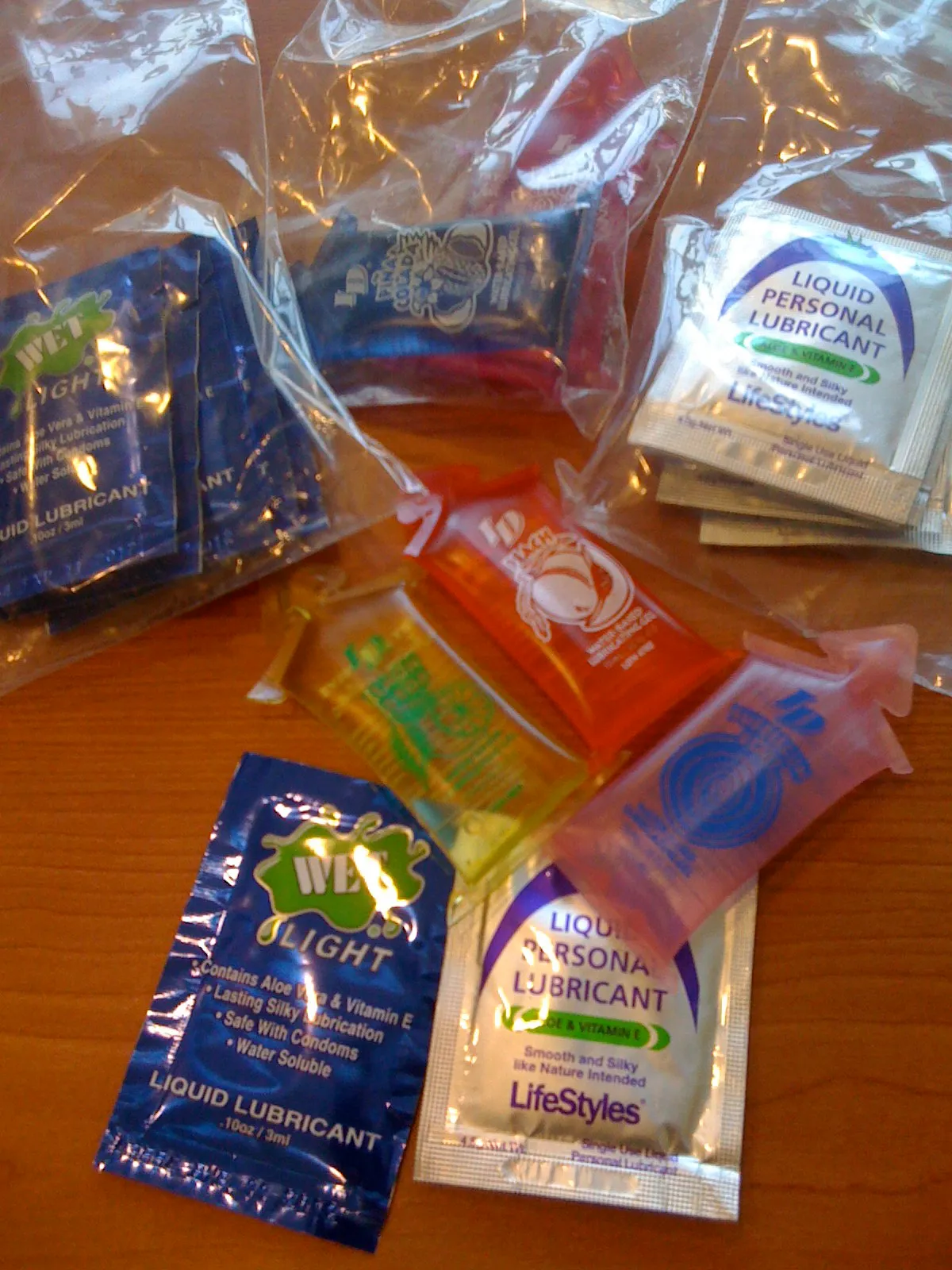
Photo: inga / CC BY 2.0
The short version
With condoms, use water-based or silicone-based lube. Avoid oils, petroleum jelly, lotion and baby oil. Use plenty, and keep the ingredients simple.
The right lube is not only about comfort. It is part of protecting yourself and your partner. If you are not on PrEP yet or want an HIV test, see our earlier guide to getting free PrEP in Taiwan.
💧 Toy University lube shop Affordable lube,great value Tap here →



💬 Comments