
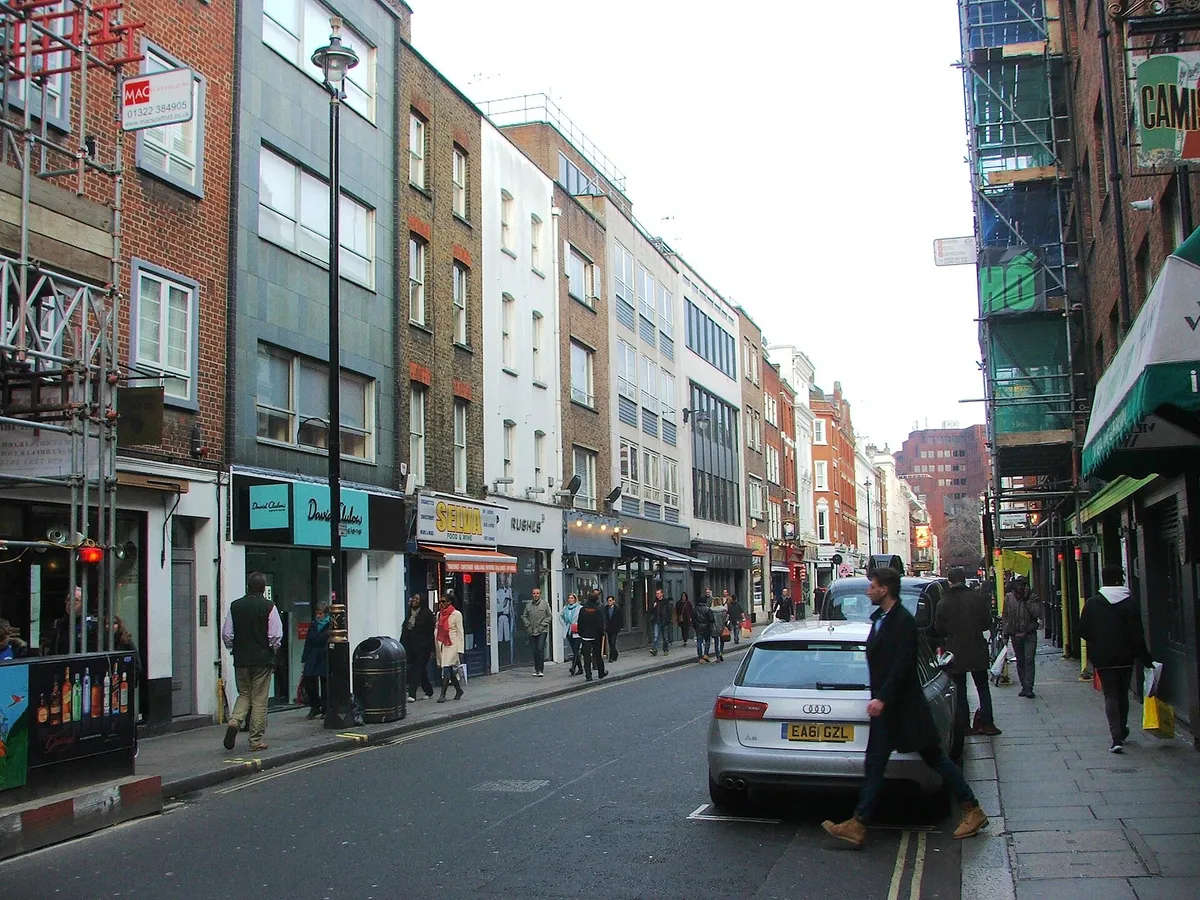
If you were in a London bar in the 1950s and heard two men say “Vada the omi’s bona riah!”, they were saying: “Look at that man’s great hair!”
This is Polari, a secret language once used by gay men in Britain.
Why a secret language?
Polari’s name comes from the Italian parlare, “to talk”. It goes back at least to the 19th century and was used by gay men, actors, circus and fairground performers, professional wrestlers, merchant sailors and others.
When homosexuality was a crime, slang meant you could talk without the people next to you understanding.
Learn a few words
Polari’s core vocabulary was only about 20 words, including:
- bona: good
- vada: see
- omi: man
- palone: woman
- riah: hair
- eek: face
- lattie: room or home
- naff: drab, tacky
- zhoosh: to smarten up or style
From secret to national craze
In the 1960s, the BBC radio comedy Round the Horne featured a pair of camp gay characters who spoke Polari, and the whole country picked up some words.
Some made it into everyday English:
- naff became common British English. In 1982, Princess Anne allegedly told a reporter to “naff off” at a horse trials
- zhoosh became commonplace in the mid-2000s thanks to the US show Queer Eye for the Straight Guy
Gone, then back again
After England and Wales partially decriminalised homosexuality in 1967, the need for a secret language faded and Polari declined.
But it’s having a revival: London’s Gay’s the Word bookshop has held Polari workshops, and the drag nuns of the Sisters of Perpetual Indulgence have translated the Bible into Polari. In 2016, a poet even performed a Polari poem in the Speaker’s House at Parliament.
A language invented to dodge the law ended up in Parliament and in a princess’s mouth. Very bona indeed.




💬 Comments