
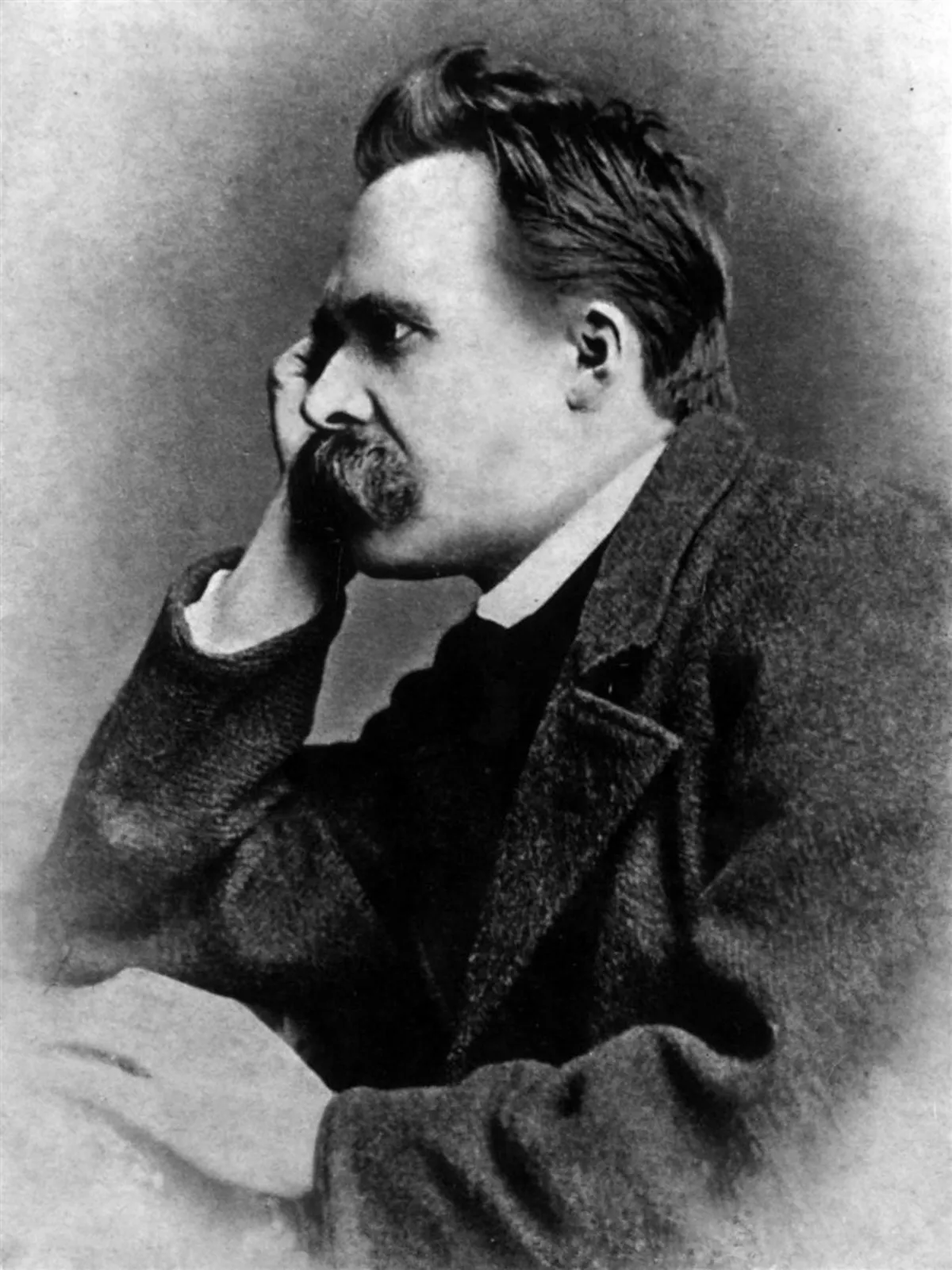
If you spotted a book in a shop by German philosopher Friedrich Nietzsche titled The Gay Science, you might do a double take: Nietzsche wrote about gay science?
The answer is no. But the confusion is a perfect way into the funny history of the word “gay”.
Nietzsche’s “joyful science”
Published in 1882, the book’s German title is Die fröhliche Wissenschaft, closer to “the joyful science”.
The title comes from an old phrase, the Provençal “gai saber”, meaning the craft of writing poetry. Nietzsche called it “the most personal of all my books”, and it contains more poems than any of his other works.
It was first translated into English as The Joyful Wisdom; The Gay Science later became the usual title.
What did “gay” originally mean?
“Gay” entered English in the 12th century from Old French “gai”, meaning:
- Joyful
- Carefree
- Bright and showy
By the late 17th century it had also come to mean “addicted to pleasures”. Its later link to homosexuality grew out of this sense of “carefree and uninhibited”.
Even cartoon theme songs used it
For a long time, “gay” mainly still meant “happy”:
- In 1934 there was a musical film called The Gay Divorcee, about a heterosexual couple
- The theme song of the 1960s cartoon The Flintstones promised viewers they’d “have a gay old time”
The 1960s switch
In the 1960s, the main meaning of “gay” shifted from “carefree” to “homosexual”, and it became the word gay men preferred for themselves.
So next time someone laughs at Nietzsche’s title, tell them that in his day, gay meant happy. Then again, gay still means happy.




💬 Comments