
“Homosexuality is against nature!” You’ve heard it before. The trouble is, nature doesn’t seem to agree.
More than 1,500 species
Scientists have found same-sex sexual behaviour in many animals:
- A 2019 paper says it has been observed in more than 1,500 species
- Apart from humans, the only species known to show an exclusively same-sex orientation is the domestic ram (about 10% of males)
- A 2023 study found same-sex behaviour may help reduce conflict and improve group stability
Bonobos: solving problems with intimacy
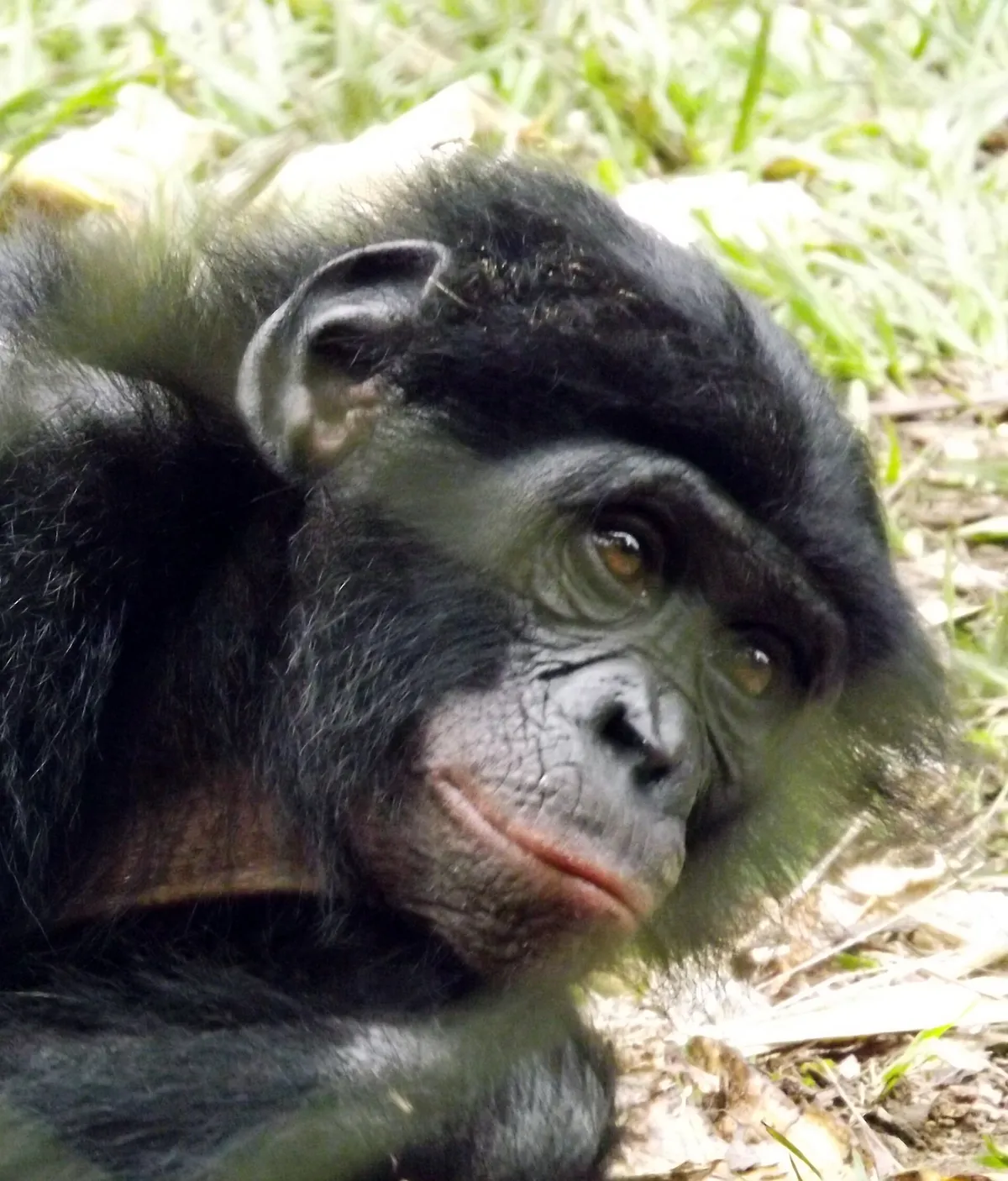
When it comes to peace-loving animals, you have to mention bonobos.
They’re among humans’ closest living relatives and live in the forests of the Democratic Republic of the Congo. In bonobo society, intimacy plays a major role, and scientists think they use it as:
- A greeting
- A way to bond
- A way to resolve conflict
- A way to make up after a fight
And it happens between same-sex pairs too.
New food? Time to get close
The funniest part: when bonobos find a new source of food, the excitement often leads to group intimacy. Scientists think this reduces tension so everyone can eat together peacefully.
In bonobo groups, females bond together and can be equal to, or even outrank, males.
Next time someone says homosexuality is unnatural, point them to 1,500 species, then to the bonobos. Nature’s rainbow is bigger than we thought.







💬 Comments