
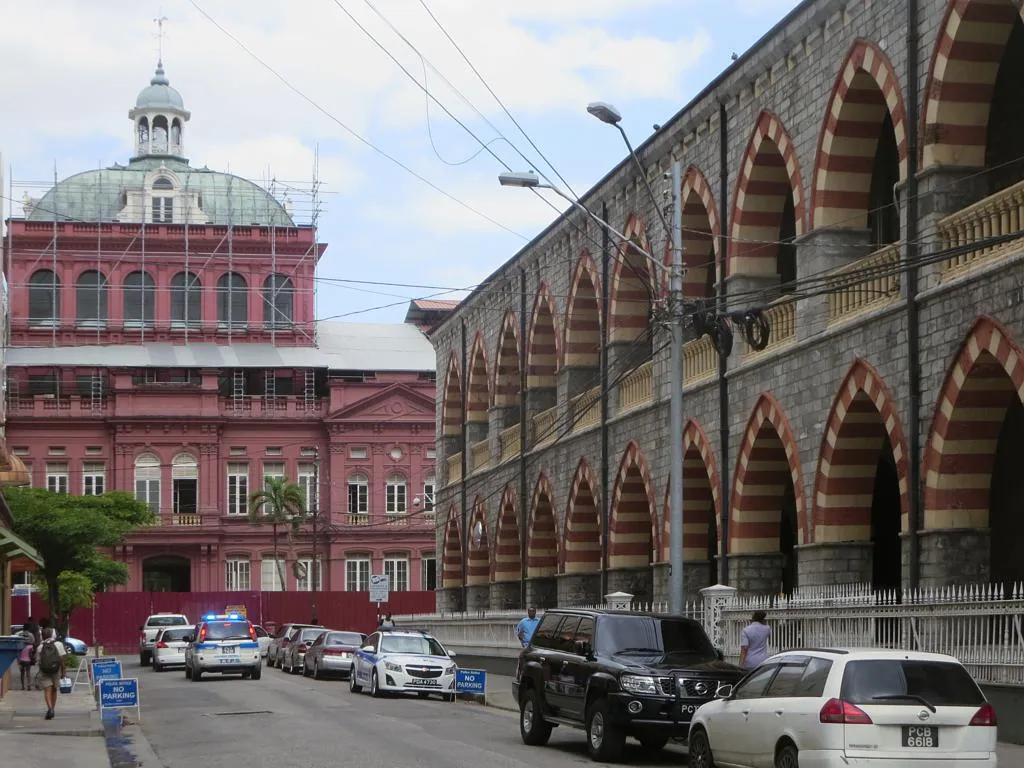
The London-based Judicial Committee of the Privy Council, the highest court of appeal for several former British colonies, unanimously reversed a 2025 ruling that had reinstated Trinidad and Tobago’s ban on same-sex relations, Metro Weekly reports. The decision was handed down on November 10.
The ruling
The judges held that Trinidad and Tobago’s Sexual Offences Act cannot criminalise private, consensual sex between adults of the same sex. Announcing the decision, Lord Sales said such laws “cannot be justified”.
The ruling applies only to Trinidad and Tobago.
What was struck down
Under the reinstated provisions, men faced up to five years in prison for “buggery” and up to two years for “gross indecency”.
From colonial law to today
- 1500s: England’s Buggery Act, the root of such laws
- 1925: colonial authorities pass a similar law locally
- 1962: independence
- 1976: the Constitution’s “savings clause” protects older laws
- 1986: a new law lengthens sentences
- 2018: the High Court strikes down the ban
- 2025: the Court of Appeal reinstates it
- November 10, 2026: the Privy Council overturns the Court of Appeal
The man behind the case
The challenge was brought by Jason Jones, a Trinidad-born LGBTQ+ activist who lives in the UK. Speaking to CNN, he said the problem was not only colonial legacy but homegrown homophobia. He hopes the ruling is seen as a democratic movement, and that it brings relief to people who have hidden their sexuality.
Jones said his next steps are to push for civil partnerships and urge Parliament to amend the Constitution to remove the savings clause.






💬 Comments