
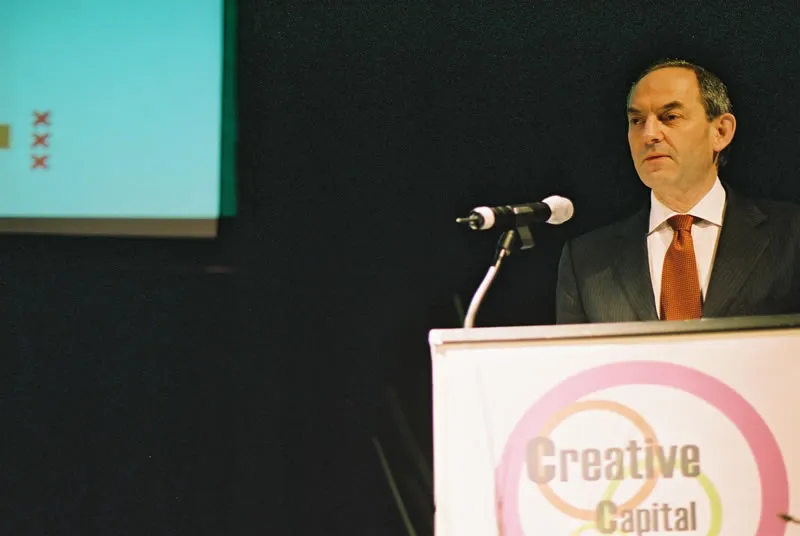
More than 30 countries now have marriage equality, but the Netherlands was first. On April 1, 2001, and this was no April Fool’s joke, Amsterdam mayor Job Cohen married four same-sex couples, the first legal same-sex marriages in the world.
A mayor turned registrar
To officiate the weddings himself, Cohen became a registrar specifically for the occasion. Even better, just a few months earlier he had been the Netherlands’ junior Minister of Justice, responsible for steering the new marriage and adoption laws through parliament. He took the law from the debating chamber all the way to the wedding table.
Step by step to number one
The Netherlands didn’t get there overnight:
- 1979: the first law recognising cohabiting same-sex couples was passed, for the purposes of rent law.
- Mid-1980s: activists led by Henk Krol, editor-in-chief of the Gay Krant, asked the government to let same-sex couples marry.
- 1995: about 100 municipalities opened an alternative “marriage register”, where some 300 same-sex couples signed up. The town of Rheden said that if the government didn’t act, it would start performing same-sex weddings itself; Haarlem said it would do the same or stop issuing marriage licences altogether.
- January 1, 1998: registered partnerships were introduced.
- September 12, 2000: the House of Representatives passed the marriage bill 109 to 33; the Senate followed 49 to 26 on December 19.
- December 21, 2000: Queen Beatrix gave royal assent.
- April 1, 2001: the law took effect.
And now?
Polls show a large majority of Dutch people support same-sex marriage. It became legal in the Caribbean special municipalities of Bonaire, Sint Eustatius and Saba in 2012, and in Aruba and Curaçao in July 2024. The kingdom’s remaining constituent country, Sint Maarten, still does not perform or fully recognise same-sex marriages.
From towns opening their own “alternative registers” to a mayor officiating in person, the Dutch story shows how often change starts locally.






💬 Comments