
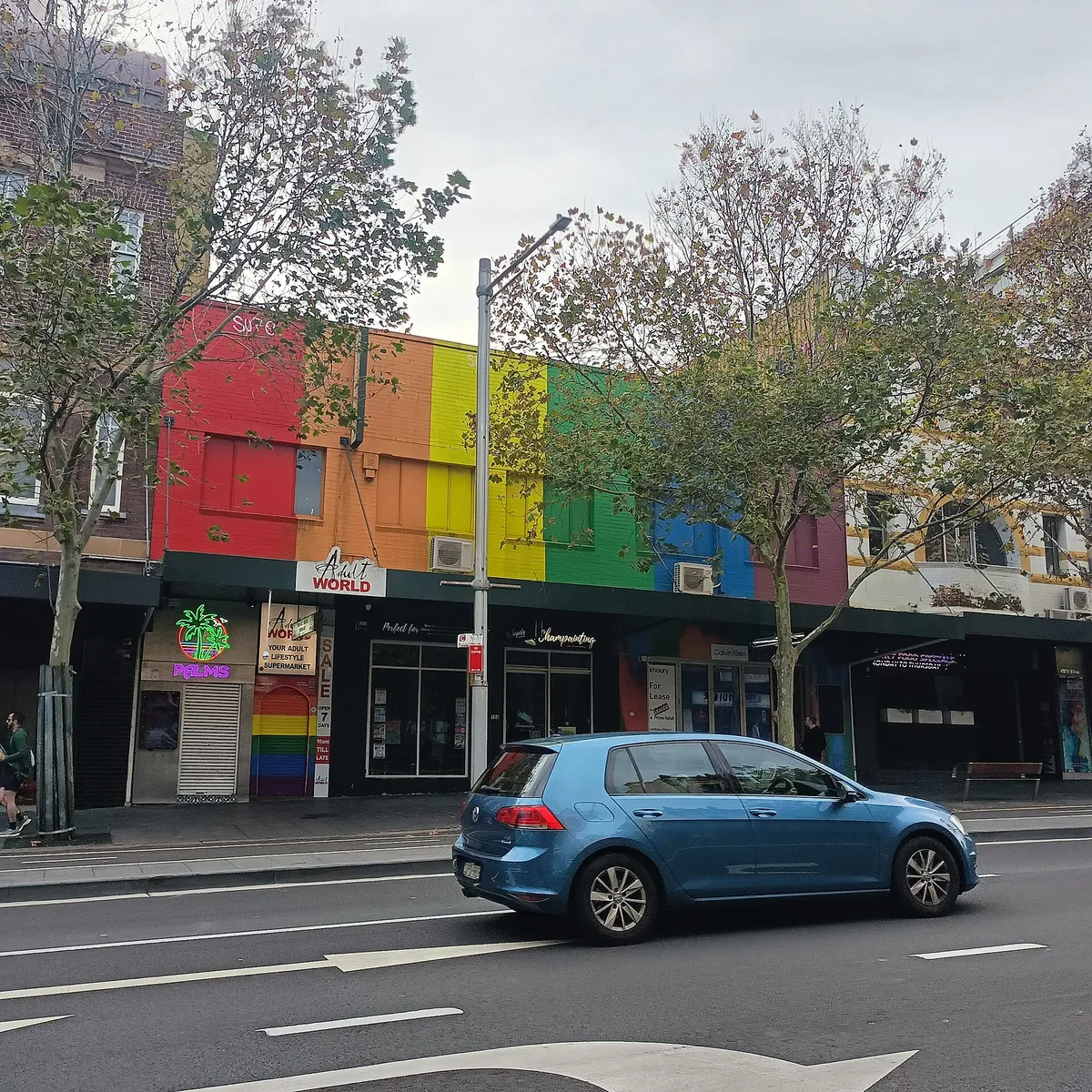
Every February and March, Sydney’s Oxford Street becomes a giant runway: floats, sequins, music and hundreds of thousands of spectators. This is the Sydney Gay and Lesbian Mardi Gras.
But its first year was no party.
24 June 1978
The first event took place on 24 June 1978, with clear demands:
- End discrimination against gay people in jobs and housing
- End police harassment
- Repeal all anti-homosexual laws
The morning march drew 500 people, Australia’s biggest gay protest at the time. The evening event was planned as a street party, a more positive celebration, which is why it was called “Mardi Gras”.
The party turned into mass arrests
That night, police pushed the parade quickly down Oxford Street and arrested the driver of the sound truck. About 1,500 people spontaneously marched on to Kings Cross.
There, 53 people were arrested.
Names in the newspaper
Most charges were eventually dropped, but The Sydney Morning Herald printed the full names of those arrested.
Many were outed to friends and employers, and lost their jobs, because homosexuality was a crime in New South Wales until 1984.
The following year, 1979, the state government repealed the law used to make the arrests.
From protest to tourist magnet
More than four decades later, Mardi Gras is:
- Oceania’s biggest gay and lesbian event
- One of Australia’s biggest tourist drawcards
- Worth about A$30 million a year to New South Wales
- In 2023, when Sydney also hosted WorldPride, its events drew 310,000 attendees
The people arrested in 1978 became known as the “78ers”. The price they paid helped put every sequin on Oxford Street today.





💬 Comments